 Shopify
 Simvoly
Shopify vs Simvoly
A side-by-side comparison to help you choose the right platform for your business.
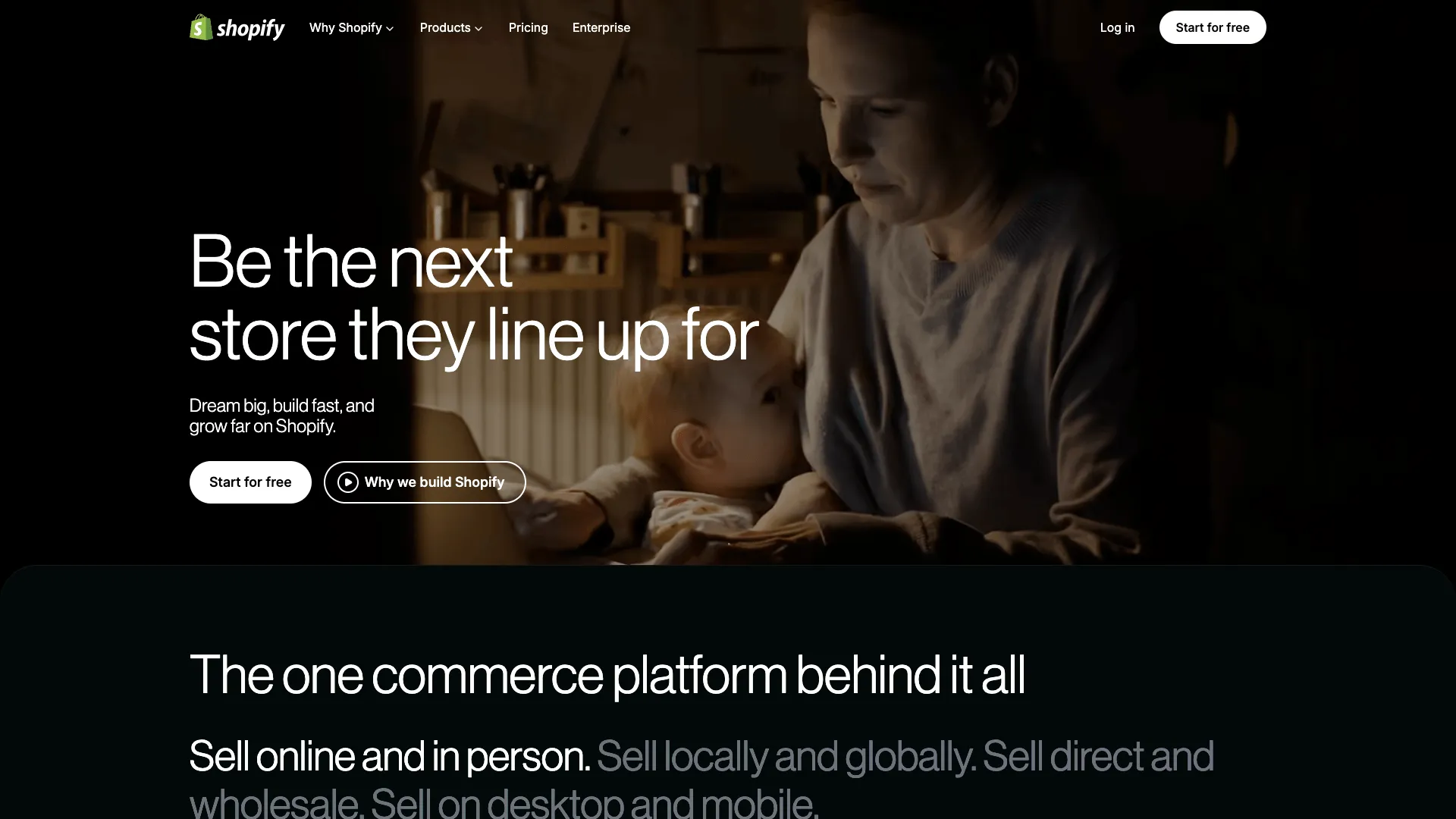
Shopify
Ecommerce platform for online stores
Product-based businesses needing a full ecommerce store with inventory management
Visit Website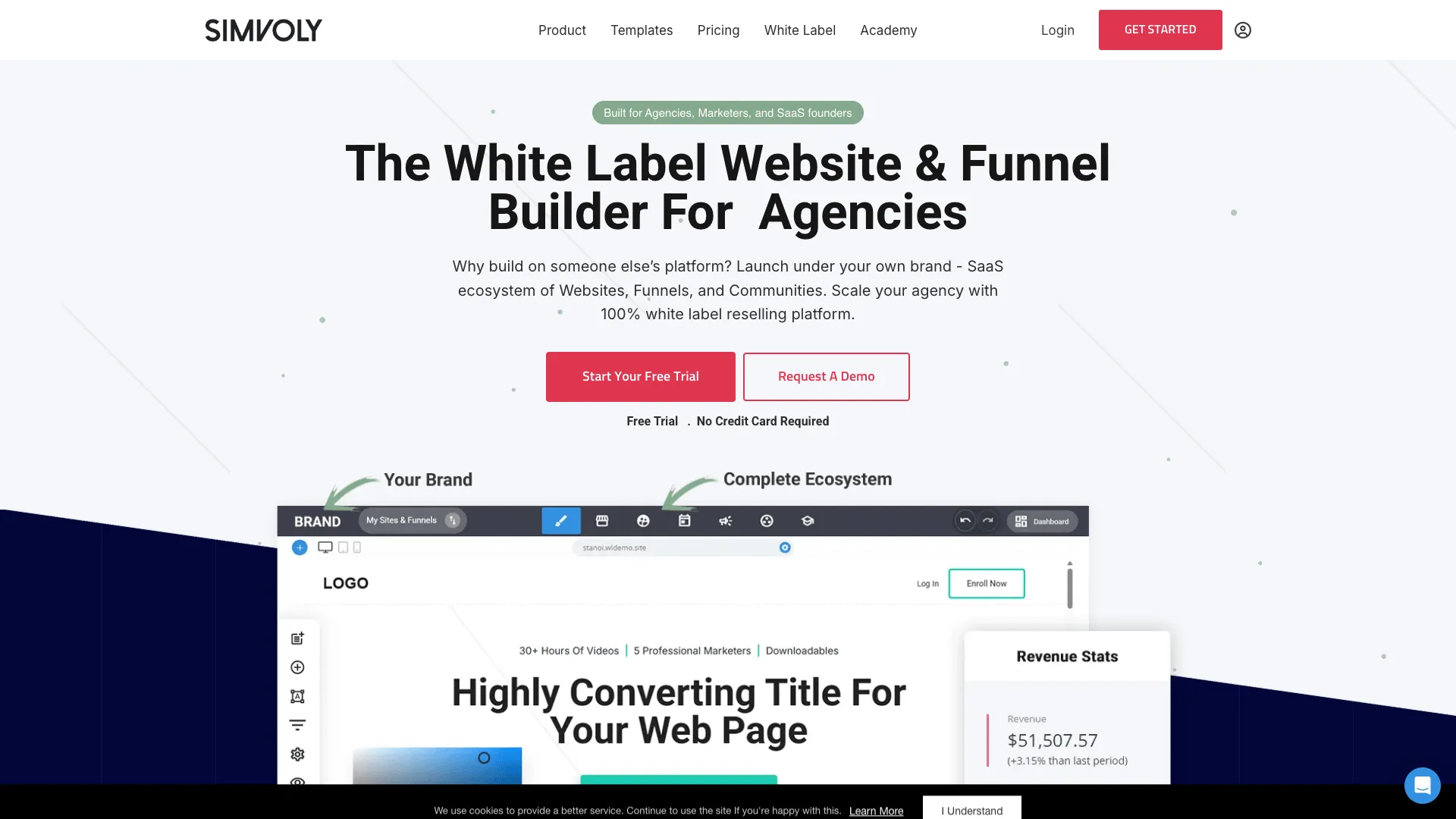
Simvoly
Website and funnel builder with white-label option
Budget-conscious entrepreneurs and agencies wanting an affordable website and funnel builder with white-label capability
Visit WebsiteFeature Comparison
| Feature | Shopify | Simvoly |
|---|---|---|
| Funnel Builder | No | Yes |
| Landing Pages | Via apps | Yes |
| Email Marketing | Shopify Email | No |
| A/B Testing | Via apps | Growth plan+ |
| Ecommerce | Yes | Yes |
| Membership Sites | Via apps | Growth plan+ |
| Affiliate Management | Via apps | No |
| Webinar Hosting | No | No |
| Built-in CRM | Yes | No |
| Blog / CMS | Yes | Yes |
| Custom Domain | Yes | Yes |
| Drag & Drop Editor | Yes | Yes |
Pricing
| Plan | Shopify | Simvoly |
|---|---|---|
| Free Plan | No | No |
| Free Trial | 3 days | 14 days |
| Basic | $39/mo | $12/mo |
| Shopify | $105/mo | $29/mo |
| Advanced | $399/mo | $59/mo |
| Pro | - | $149/mo |
Pros & Cons
Shopify
Pros
- ✓Best ecommerce platform for product-based businesses
- ✓Massive app store with 8,000+ integrations
- ✓Built-in inventory management and shipping
- ✓POS for in-person sales
- ✓Powers 4+ million online stores worldwide
Cons
- ✗No built-in funnel builder (requires third-party apps)
- ✗Transaction fees unless using Shopify Payments
- ✗Not designed for service businesses or digital products
- ✗No one-click upsells without apps
Simvoly
Pros
- ✓Very affordable starting at just $12/month
- ✓Website builder and funnel builder in one platform
- ✓White-label option available for agencies and resellers
- ✓Built-in ecommerce with product and subscription support
- ✓Clean drag-and-drop editor with modern templates
Cons
- ✗No built-in email marketing or CRM
- ✗Smaller template library compared to major competitors
- ✗A/B testing and membership sites locked to higher plans
- ✗Limited integrations and smaller user community
Frequently Asked Questions
What is the difference between Shopify and Simvoly?
Which is cheaper, Shopify or Simvoly?
Does Shopify have funnel builder?
Which platform is better for beginners, Shopify or Simvoly?
Can I try Shopify and Simvoly for free?
The Verdict
Shopify
Ecommerce platform for online stores
Product-based businesses needing a full ecommerce store with inventory management
- ✓Best ecommerce platform for product-based businesses
- ✓Massive app store with 8,000+ integrations
- ✓Built-in inventory management and shipping
Choose Shopify if...
Product-based businesses needing a full ecommerce store with inventory management
Not ideal if: Service businesses, coaches, or anyone focused on sales funnels
Choose Simvoly if...
Budget-conscious entrepreneurs and agencies wanting an affordable website and funnel builder with white-label capability
Not ideal if: Businesses needing built-in email marketing, CRM, or a large ecosystem of integrations